

ON THE BLOG
FUNCTIONAL MEDICINE //
BIO-HORMONE REPLACEMENT THERAPY // ANTI-AGING

FAN FAVORITE POSTS
WHAT TO EXPECT AT YOUR FIRST APPOINTMENT
01
MICRODOSING GLP-1 AGONISTS
02
LET’S TALK ABOUT GSM
03
HORMONE REPLACEMENT THERAPY
04
PROGESTERONE VS. PROGESTIN
05

Hormone Therapy: It’s Time to Separate the Facts From the Fear
Still afraid of hormone therapy because of what you’ve heard? Let’s unpack the myths about estrogen, progesterone, cancer risk, and personalized treatment.
6 Hormone Therapy Myths I Wish Women Would Stop Being Told
Hormone therapy isn't as simple as “good” or “bad.” Let’s clear up 6 common myths about estradiol, progesterone, testosterone, risks, and treatment.
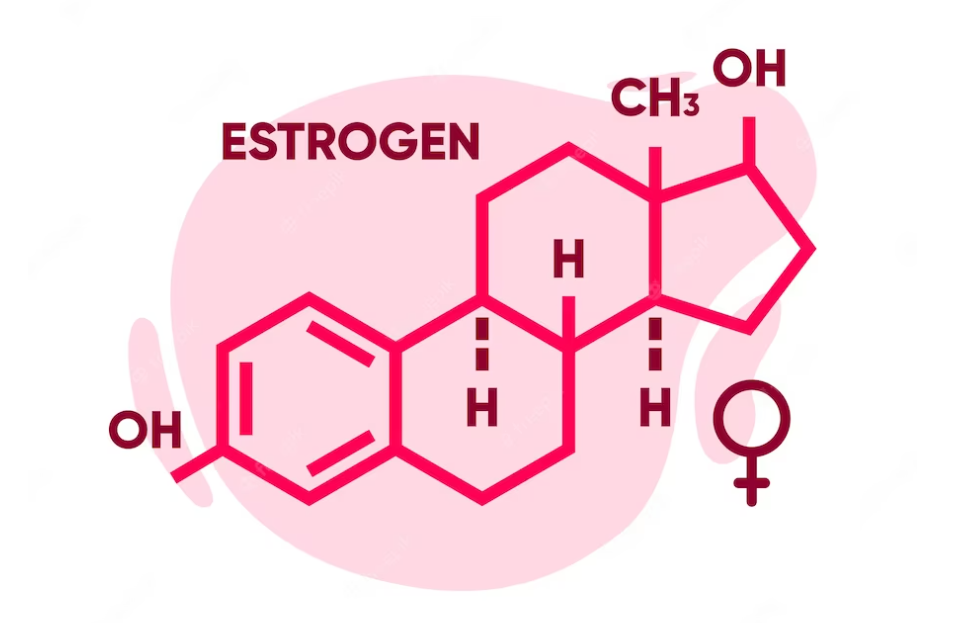
Why “Estrogen” Is the Wrong Word
If I had a dollar for every patient who came to me terrified of “estrogen,” I might have retired already.
The fear usually comes from somewhere understandable: an alarming headline, something they read online, a story from a friend, or advice rooted in research that may not reflect the hormone formulations we use today.

What Your Hormones Actually Do (And Why Optimization Matters)
Hormones are often discussed as though they only matter for fertility, menopause, or libido.
In reality, hormones are the body's communication system.
Every day, they send signals that influence how you think, feel, sleep, move, and function.
When those signals become disrupted, symptoms often follow.

The Health Habit Most People Ignore (Until It Starts Causing Problems)
Can we talk about something wildly unsexy but incredibly important?
Hydration.
I know. Not exactly the topic that gets people fired up.
But hear me out.
Every week, I have patients tell me they're exhausted, dealing with headaches, feeling foggy, struggling with constipation, experiencing muscle cramps, or noticing their energy crashes halfway through the day.
One of the first questions I ask?
"How much water are you actually drinking?"
The answer is almost always the same:
"Probably not enough."

Why We've Been Told Hormonal Suffering Is a Normal Part of Aging
For generations, we've been told a story about aging.
The story goes something like this:
As you get older, you're supposed to be tired.
You're supposed to gain weight.
You're supposed to lose your sex drive.
You're supposed to sleep poorly.
You're supposed to feel less energetic, less motivated, and less like yourself.
And if you complain about it?
You're told it's just part of getting older.
But what if that isn't the whole story?
Vaginal Estriol: The Overlooked Hormone Therapy More Women Should Know About
When conversations about hormone therapy happen, most people hear about estrogen in general or estradiol specifically.
Yet one of the most valuable tools for addressing vaginal dryness, bladder symptoms, recurrent UTIs, and painful intimacy often receives very little attention.
That hormone is estriol.
And for many women, it can be life-changing.

Can't Build Muscle? Your Hormones, Gut Health, and Sleep May Be the Missing Pieces
Many people are doing everything they think they're supposed to do.
They're exercising consistently.
They're eating protein.
They're showing up for their workouts.
Yet they still struggle to build muscle, lose body fat, or feel stronger.
If that sounds familiar, the missing piece may not be your effort.
It may be what's happening inside your body.

The Hormone Double Standard: Why Women Deserve Better Midlife Care
Let's address a conversation that has been quietly happening for years.
When men experience hormonal decline, healthcare often responds quickly.
When women experience hormonal decline, they're frequently told to wait it out.
It's Not Just Aging: Why Bladder Leaks, Vaginal Dryness, and Recurrent UTIs Deserve More Attention
Let's talk about the symptoms women are often told to accept.
You're crossing your legs when you laugh because you might leak urine.
You're waking up multiple times a night to use the bathroom.
You've had more urinary tract infections in the last few years than you did in the previous twenty.
Sex has become uncomfortable, painful, or something you actively avoid.
And somewhere along the way, someone told you this is simply what happens as you get older.
The truth is, these symptoms may be common, but they are not normal.
More importantly, they are often treatable.
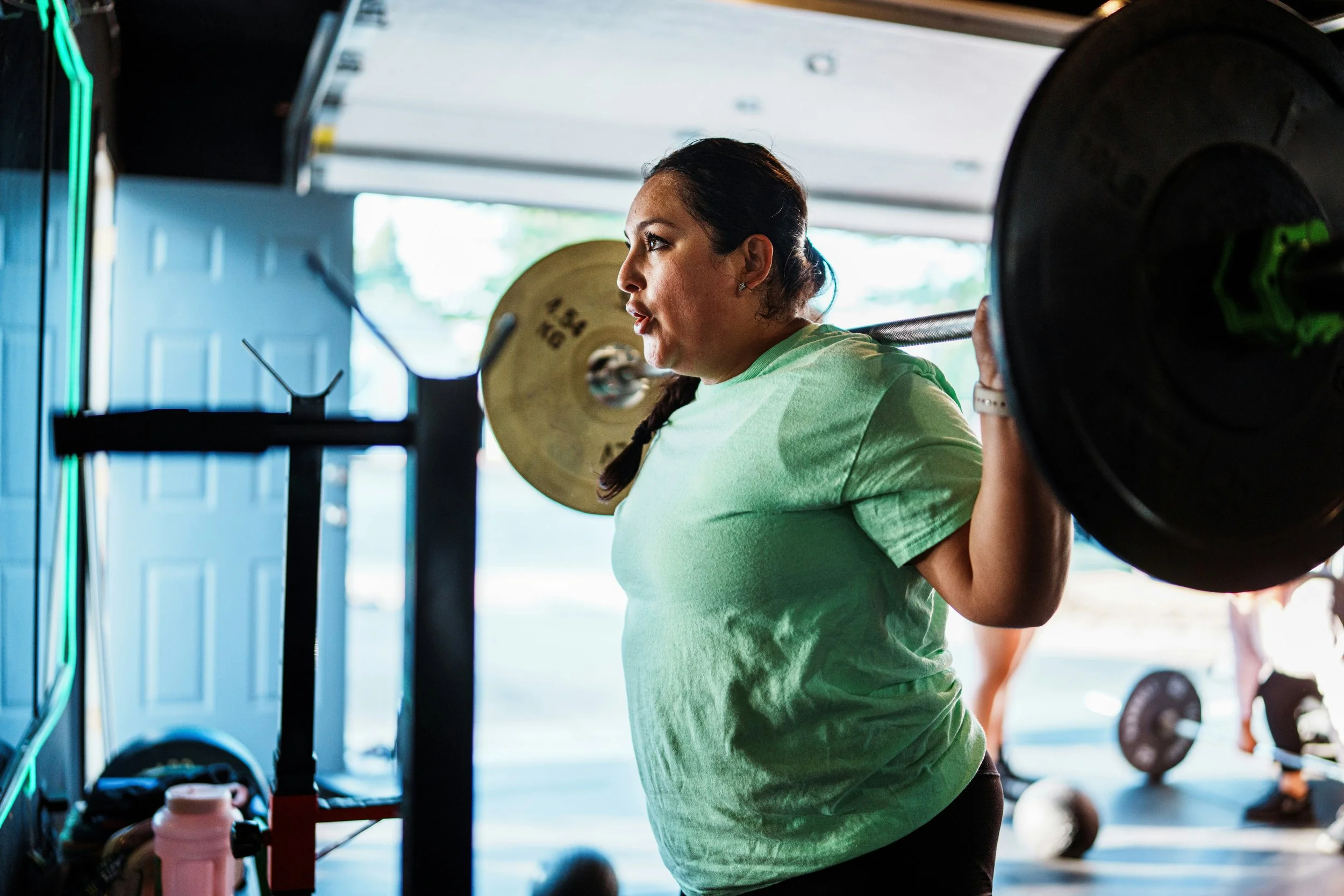
Muscle Is Medicine: Why Building Strength Matters More Than You Think
When most people think about building muscle, they picture bodybuilders, fitness influencers, or spending hours in the gym.
But muscle isn't about vanity.
Muscle is medicine.

Your Brain on Perimenopause What Every Woman Deserves to Know
Hormonal changes during perimenopause can significantly impact mood, sleep, and cognitive function—yet many women are never told the connection. Understanding this link can open the door to more effective, root-cause treatment options beyond symptom management.
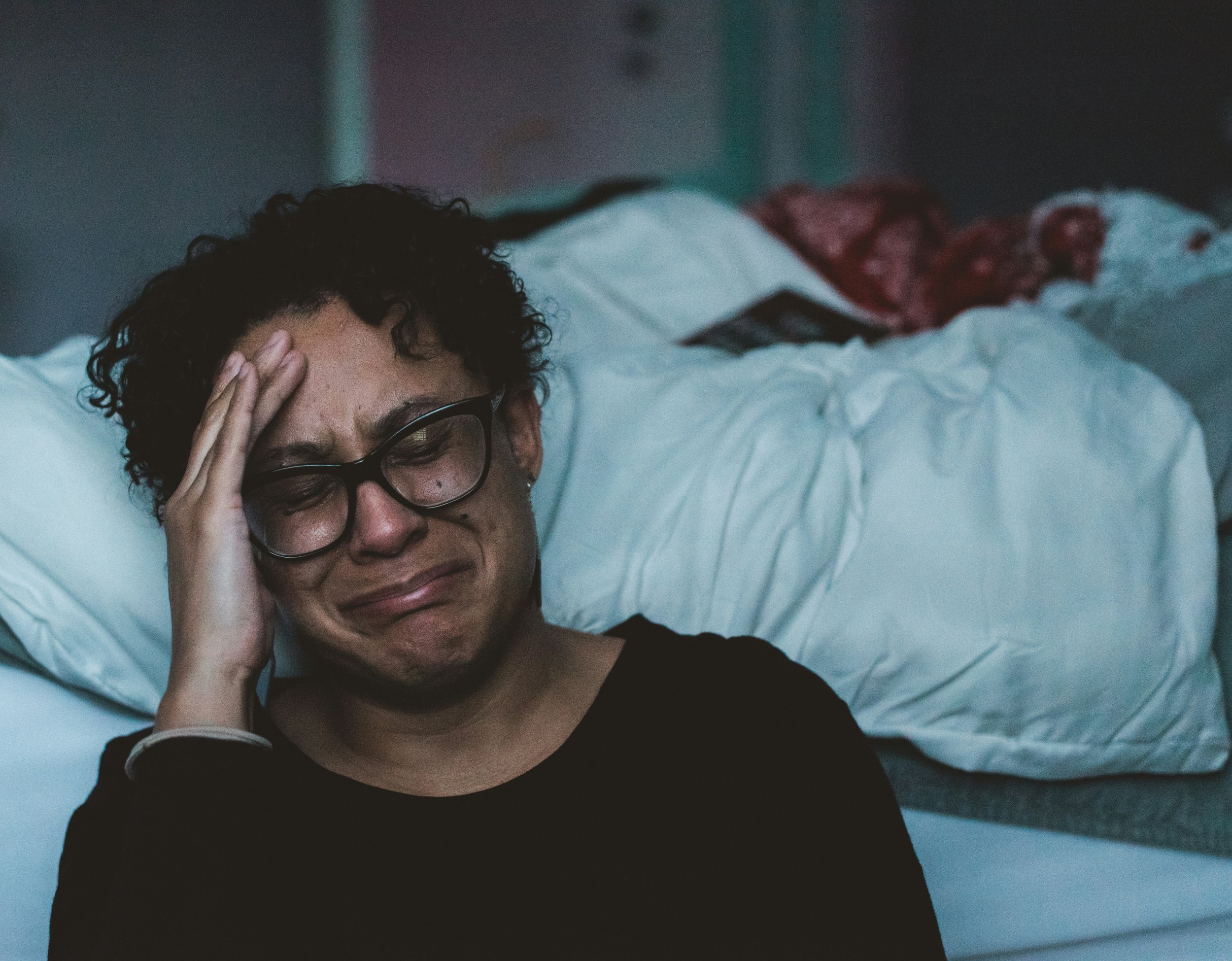
Are Millions of Women Being Misdiagnosed with Depression?
Many women in midlife are prescribed antidepressants for symptoms that may actually be linked to perimenopause and hormonal shifts. Understanding the root cause can lead to more effective, personalized treatment beyond symptom management.
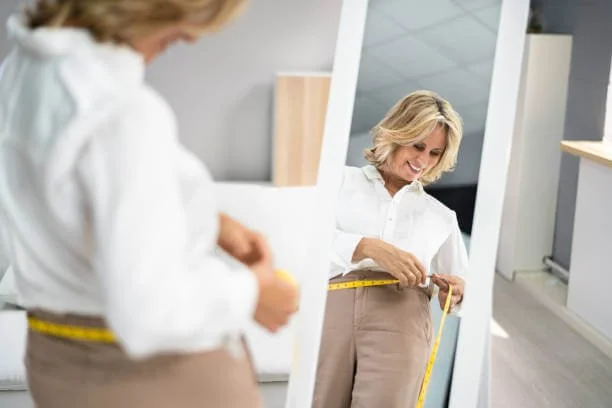
What Actually Works for Weight and Metabolism During Menopause
During menopause, pushing harder with diet and cardio often backfires—what your body needs is a smarter strategy. Prioritizing protein, healthy fats, and strength training can better support metabolism, hormones, and long-term health.
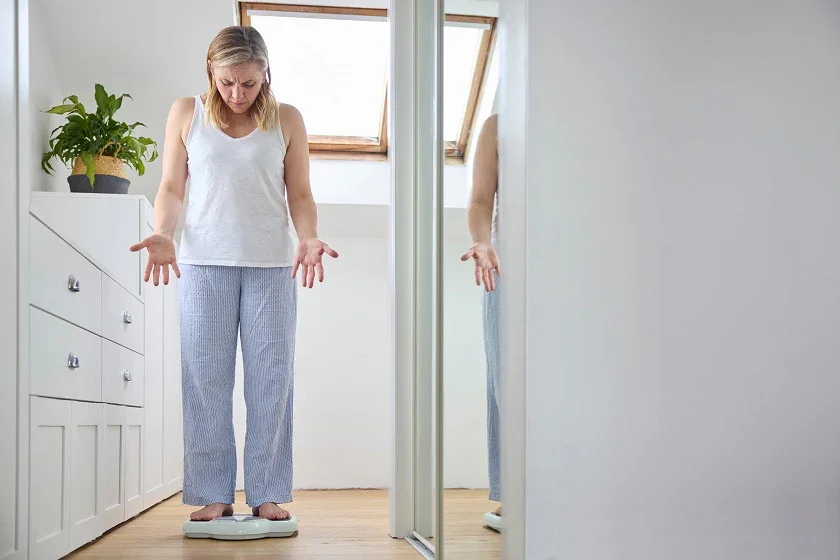
“I’m Doing Everything Right… So Why Is My Body Changing?”
Weight gain during menopause isn’t a lack of discipline—it’s driven by hormonal shifts affecting fat storage, muscle, and blood sugar. Understanding these changes helps you shift from frustration to a strategy that truly supports your body.
If You’re Gaining Weight in Menopause, Read This First
Weight gain during menopause isn’t about doing something wrong—it’s a natural result of hormonal shifts affecting metabolism, muscle, and fat storage. Adjusting your approach with proper nutrition, strength training, and recovery can help you work with your body, not against it.
Why Weight Changes During Menopause (And Why It’s Not Your Fault)
Weight gain during menopause isn’t a failure of discipline—it’s driven by hormonal shifts affecting metabolism, insulin, and fat storage. With the right approach to nutrition, strength training, and lifestyle, you can support your body and maintain long-term metabolic health.

“Progesterone made me feel worse.” Now what?
If progesterone made you feel worse, it may not be the hormone itself but the type, dose, or delivery method. Understanding these differences can help you find an option that works with your body—not against it.

“Progesterone intolerance” isn’t what you think
Many women believe progesterone “doesn’t work,” but the issue is often the type, dose, or delivery method—not the hormone itself. Understanding the differences in formulations can help you find a better, more supportive option for your body.

Why You Don’t Feel Like Yourself Anymore (And What to Do About It)
“I don’t feel like myself.”
This is one of the most common things I hear from women in their 40s.
And it’s usually followed by:
“I can’t explain it.”
That’s because what you’re experiencing isn’t always obvious.
But it is real.
ARE WE FRIENDS YET?
